
Starting a small herb garden indoors is a wonderful way to bring fresh flavors to your kitchen and brighten your living space. Whether you have a large sunny window or just a small corner, growing herbs inside is simpler than you might think. This guide will walk you through the essential steps to create a thriving indoor herb garden, even if you’re new to gardening.
Why Grow Herbs Indoors?
Indoor herb gardening offers several benefits:
– Freshness on demand: Pick herbs anytime you need them.
– Year-round growth: Grow herbs regardless of outdoor weather.
– Space-friendly: Perfect for apartments, small homes, or offices.
– Decorative and aromatic: Adds greenery and pleasant scents indoors.
With these advantages, it’s no surprise that indoor herb gardens are becoming popular among both beginners and experienced gardeners.
Choosing the Right Herbs for Indoor Gardening
Not all herbs thrive indoors equally. Some are better suited for the indoor environment due to their light and space needs. Here are some easy-to-grow herbs ideal for starting your indoor garden:
– Basil – Loves bright light and warmth.
– Parsley – Grows well in indirect sunlight.
– Chives – Tolerant of moderate light conditions.
– Mint – Thrives in cooler spots and partial shade.
– Thyme – Prefers sunny windowsills.
– Oregano – Needs good sunlight and well-drained soil.
Start with one or two herbs that you use often to keep it manageable.
What You’ll Need to Start Your Indoor Herb Garden
Before planting, gather these basic materials:
– Containers or pots: Choose pots with drainage holes to prevent waterlogging.
– Potting mix: Use a well-draining, high-quality potting soil designed for indoor plants.
– Seeds or starter plants: Decide if you want to grow from seeds or purchase young herb plants.
– Light source: A sunny windowsill or grow lights if natural light is limited.
– Watering can: For gentle watering.
– Fertilizer: Use a balanced, water-soluble fertilizer to nourish your herbs.
Step-by-Step Guide to Starting Your Indoor Herb Garden
1. Select the Location
Herbs need plenty of light, ideally 6 hours or more daily. A south-facing window is often best. If sunlight is scarce, consider investing in LED grow lights. Avoid places with drafts or sudden temperature changes.
2. Prepare Your Containers
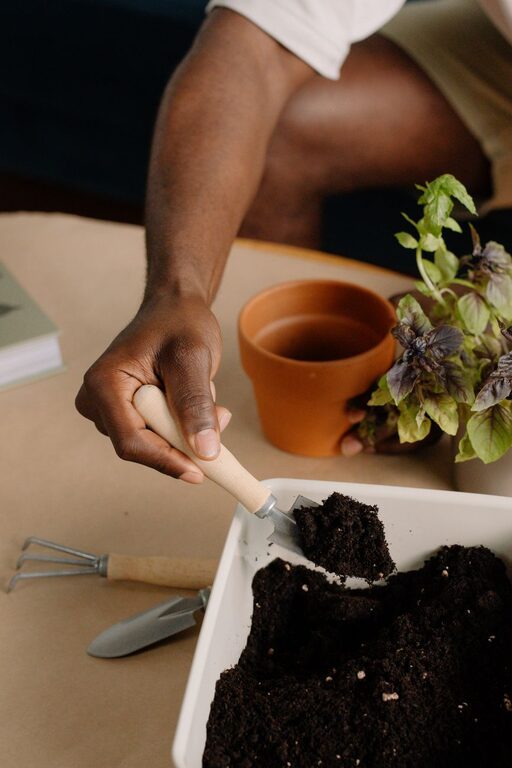
Fill your pots with potting mix, leaving about an inch from the top. If reusing old containers, clean them well to prevent diseases.
3. Plant Your Herbs
– From seeds: Follow the seed packet instructions on depth and spacing. Gently press seeds into the soil and cover with a thin layer.
– From starter plants: Remove the plants from their nursery pots and loosen the roots before planting them in your prepared containers.
Water the soil lightly after planting to settle it around the roots or seeds.
4. Provide Proper Lighting
Place your herbs where they receive sufficient light. If using grow lights, keep the lights on for about 12-16 hours daily, and position the lights a few inches above the plants.
5. Water Wisely
Most herbs prefer their soil to dry out slightly between waterings. Check the soil by touching the top layer; water when it feels dry about an inch deep. Avoid overwatering to prevent root rot.
6. Feed Your Herbs
Fertilize every 4-6 weeks with a diluted, balanced fertilizer. Follow the product instructions to avoid overfeeding.
7. Prune and Harvest Regularly
Harvest herbs frequently by pinching or cutting leaves above a pair of leaves. This encourages bushier growth and keeps plants healthy.
Tips for Success
– Rotate your pots every few days to ensure even growth.
– Clean leaves gently with a damp cloth to keep herbs dust-free.
– Watch for pests such as aphids or spider mites and treat promptly if they appear.
– Use humidity trays or mist herbs occasionally if your home is very dry.
Common Challenges and How to Overcome Them
– Leggy plants: Lack of light causes weak, tall stems. Move herbs to a brighter spot or supplement with grow lights.
– Yellowing leaves: Often related to overwatering or poor drainage. Check soil moisture and improve drainage.
– Slow growth: Could be due to low light, poor soil, or lack of nutrients. Enhance lighting and feed regularly.
Conclusion
Starting a small indoor herb garden is a fun and practical project that brings freshness and greenery into your daily life. With the right herbs, containers, and care, you’ll enjoy fresh, homegrown herbs all year long. Remember to start small, be patient, and enjoy watching your herb garden flourish!
Happy gardening!