
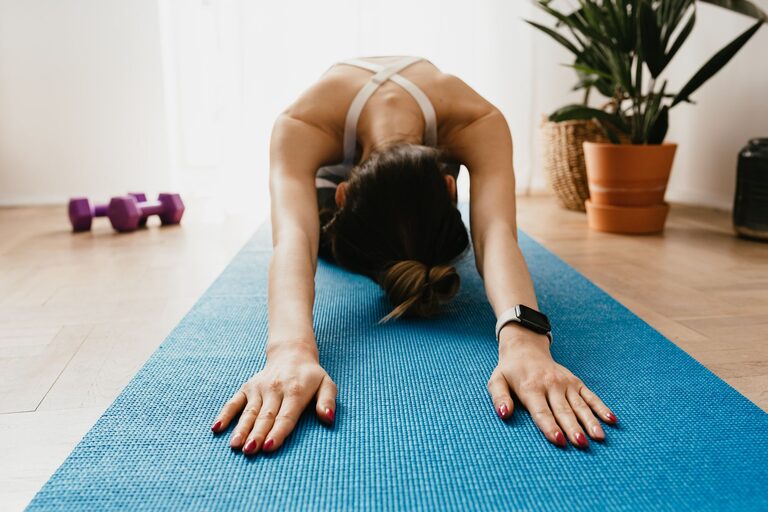
Stretching is a simple yet powerful way to improve your physical health, reduce muscle tension, and enhance your overall sense of well-being. You don’t need special equipment or a gym membership to start stretching — just a little space at home and some time. This beginner’s guide will help you understand the basics of stretching, explain why it’s important, and provide easy routines you can try today.
Why Stretch at Home?
Stretching isn’t just for athletes or yoga enthusiasts. It benefits everyone by:
– Increasing flexibility and range of motion
– Reducing muscle stiffness and soreness
– Improving posture and balance
– Enhancing circulation
– Lowering stress and promoting relaxation
When done consistently, stretching can help prevent injuries and improve everyday movements like bending, reaching, and walking.
Types of Stretching
Before you start, it’s helpful to know the common types of stretching:
1. Static Stretching
This involves holding a stretch in one position for 15-60 seconds. It’s best performed after a workout or physical activity to help muscles relax.
2. Dynamic Stretching
Dynamic stretches involve moving parts of your body through a full range of motion, such as arm circles or leg swings. These are great for warming up before exercise.
3. Passive Stretching
You use a partner, a prop, or gravity to hold your stretch without much muscle effort.
4. Active Stretching
You stretch a muscle by actively contracting the opposite muscle group, helping to increase strength and flexibility.
For beginners at home, static and dynamic stretches are the most accessible and safe to start with.
Preparing to Stretch Safely
To get the most from your stretching routine, keep these tips in mind:
– Warm Up First: Stretching cold muscles can cause injury. Warm up with light activity like walking or marching in place for 5 minutes.
– Wear Comfortable Clothing: Choose loose clothes that allow full range of movement.
– Choose a Safe Space: Clear an area free of obstacles, and consider using a yoga mat or soft surface.
– Breathe Normally: Don’t hold your breath while stretching. Steady breathing helps your muscles relax.
– Don’t Bounce: Avoid rapid, jerky movements to reduce the risk of strains.
– Listen to Your Body: Stretch to the point of mild tension but never pain.
Basic At-Home Stretching Routine for Beginners
Here is a simple sequence to get you started. Spend about 15-20 minutes on this routine, holding each static stretch for 20-30 seconds and repeating 2-3 times.
1. Neck Stretch
– Sit or stand tall.
– Gently tilt your head towards your right shoulder until you feel a stretch on the left side of your neck.
– Hold, then switch sides.
2. Shoulder Stretch
– Extend your right arm across your chest.
– Use your left hand to press your right arm closer to your chest until you feel a stretch in your shoulder.
– Hold, then switch arms.
3. Triceps Stretch
– Raise your right arm overhead and bend your elbow, reaching your right hand down your back.
– Use your left hand to gently press the right elbow downward.
– Hold, then switch arms.
4. Chest Opener
– Clasp your hands behind your back.
– Straighten your arms and gently lift your chest while squeezing shoulder blades together.
– Hold and breathe deeply.
5. Side Stretch
– Stand with feet hip-width apart.
– Raise your right arm overhead and lean gently to the left side.
– Hold, then switch sides.
6. Seated Hamstring Stretch
– Sit on the floor with your right leg extended and your left leg bent with the sole against your inner right thigh.
– Reach toward your right toes, keeping your back straight.
– Hold, then repeat on the other leg.
7. Quadriceps Stretch
– Stand and hold onto a chair or wall for balance if needed.
– Bend your right knee, bringing your heel toward your buttocks.
– Grab your ankle with your right hand and gently pull.
– Keep your knees close together.
– Hold, then switch legs.
8. Calf Stretch
– Stand facing a wall with one foot forward and one foot back.
– Keep your back leg straight and heel on the ground, bending your front knee slightly.
– Lean toward the wall until you feel a stretch in your back calf.
– Hold, then switch legs.
How Often Should You Stretch?
For best results, aim to stretch at least 3-4 times a week. You can also integrate short stretching breaks into your daily routine, especially if you spend long hours sitting or working at a desk. Even a few minutes of stretching can help reduce stiffness and refresh your body.
Tips for Making Stretching a Habit
– Set a regular time: Morning, lunchtime, or before bed—pick a time that fits your schedule.
– Create a calming environment: Light some candles or play soothing music to make it enjoyable.
– Track your progress: Note improvements in flexibility or reduced tension to stay motivated.
– Combine with other activities: Stretch after walking, exercising, or yoga for better results.
When to Be Cautious
While stretching is generally safe, avoid overstretching or forcing your body into uncomfortable positions. If you have existing injuries, joint problems, or health conditions, consult a healthcare provider before starting a new stretching routine.
—
Stretching at home is a wonderful way to take care of your body and mind. With just a few minutes each day, you can improve flexibility, ease muscle tension, and feel more relaxed. Start with gentle stretches, listen to your body, and enjoy the benefits of this simple practice in your daily life. Happy stretching!