
Reducing food waste at home is a win-win situation: it helps save money, benefits the environment, and encourages mindful eating habits. Every year, millions of tons of food end up in landfills, contributing to greenhouse gas emissions and wasting resources used in production. Fortunately, there are many practical steps you can take to cut down on food waste right from your kitchen.
Why Reducing Food Waste Matters
Food waste isn’t just about throwing away uneaten meals. It involves loss of energy, water, and labor used for growing, processing, and transporting food. By minimizing waste, you help conserve these resources and reduce your household’s environmental footprint.
Smart Grocery Shopping
Plan Your Meals Ahead
One of the most effective ways to reduce food waste is to plan your meals for the week before shopping. This helps you buy only what you need and avoid impulse purchases that may spoil.
– Make a meal plan with breakfast, lunch, dinner, and snacks.
– Check your fridge and pantry to avoid duplicating items.
– Create a detailed shopping list and stick to it.
Shop With a Full Stomach
Shopping when hungry can lead to buying more food than necessary, increasing waste. Try to eat a snack or meal before heading to the store.
Buy in Appropriate Quantities
Purchase fresh produce and perishable items in quantities that you can realistically consume before they spoil. For staples like rice or pasta, buying larger quantities can be economical if properly stored.
Storage Tips to Extend Freshness
Proper food storage is key to making ingredients last longer.
Use Clear Containers
Store leftovers and prepped ingredients in clear, airtight containers so you can easily see what’s inside, reducing the chance of forgetting about them.
Keep Fruits and Vegetables Separate
Some fruits, like apples and bananas, emit ethylene gas which can spoil nearby vegetables faster. Store them separately to extend freshness.
Label and Date Leftovers
Writing the date on leftover containers helps you track how long food has been stored and prevents it from being forgotten.
Smart Cooking and Serving
Cook What You Can Eat
Try cooking meals in portions that match your household size. If you have leftovers, plan how to use them in subsequent meals.
Use Leftovers Creatively
Transform leftovers into new dishes such as soups, stir-fries, or sandwiches. This keeps meals exciting and prevents unnecessary waste.
Serve Smaller Portions
Serving smaller portions encourages mindful eating and allows people to go back for seconds if still hungry, reducing plate waste.
Composting Food Scraps
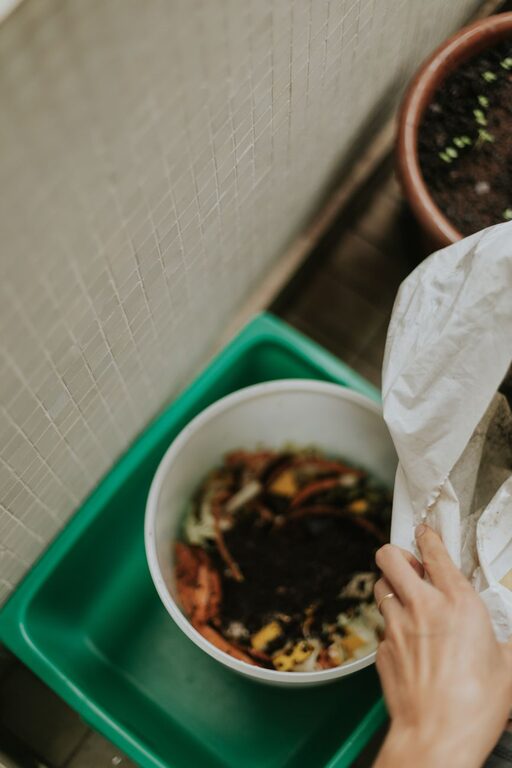
Even with the best efforts, some food scraps are unavoidable. Composting is a sustainable way to recycle organic waste and enrich your garden soil.
– Set up a compost bin in your backyard or use a countertop compost pail for kitchen scraps.
– Compost vegetable peels, coffee grounds, eggshells, and other non-meat scraps.
– Avoid composting meat or dairy products which can attract pests.
Other Helpful Tips
– Freeze leftovers or extra portions to extend their shelf life.
– Use apps designed to help track food inventory and suggest recipes based on what you have.
– Educate your family about the importance of reducing food waste.
– Donate excess non-perishable food items to local food banks or shelters.
Conclusion
Reducing food waste at home is achievable with a little planning, creativity, and awareness. By making conscious decisions about shopping, storing, cooking, and disposing of food, you contribute to a more sustainable lifestyle. Start with small changes and watch how they add up to big savings and positive environmental impact over time.